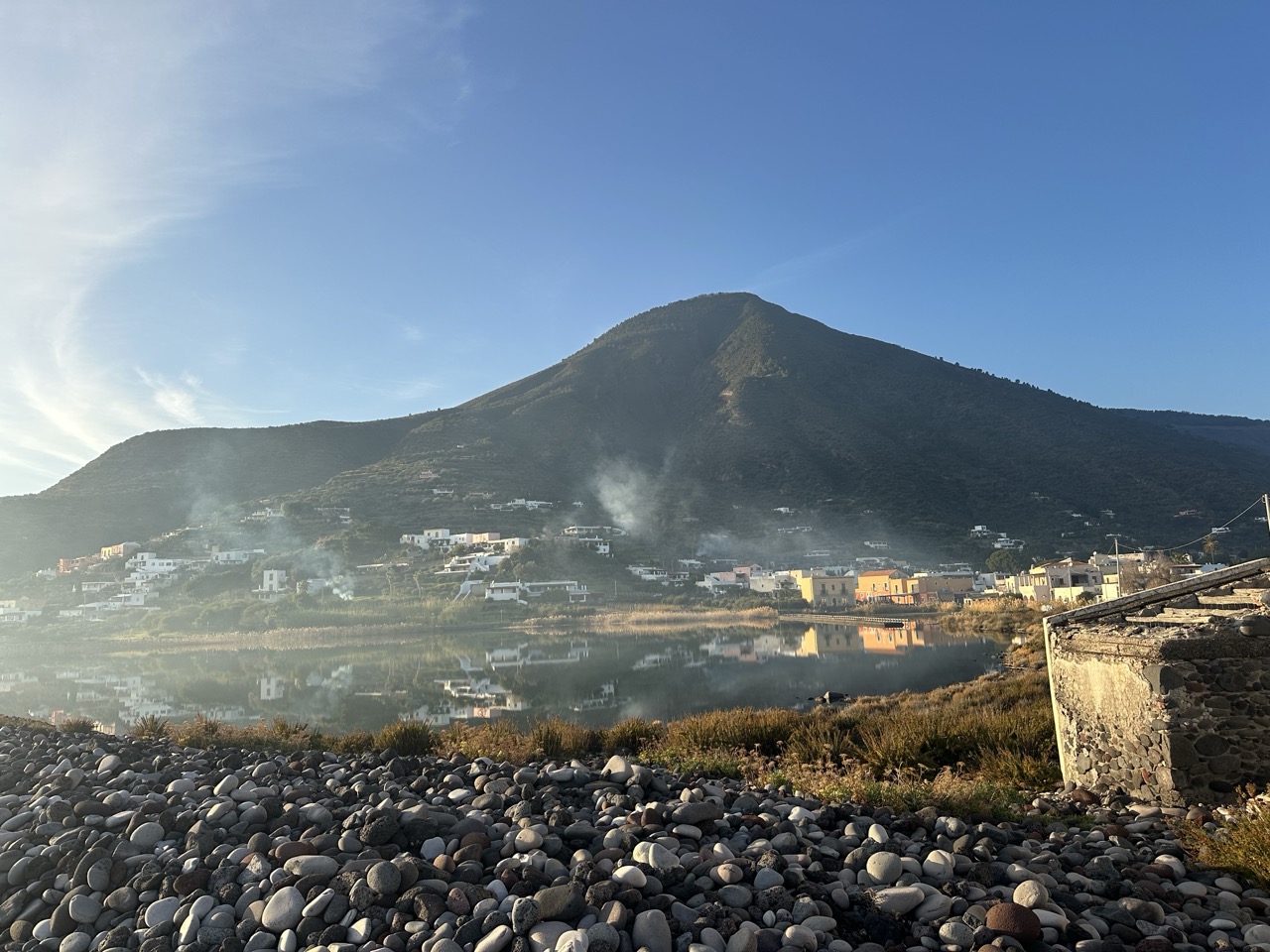
The Aeolian Islands don’t have one perfect season: they feel different in spring, summer, autumn and winter. This guide helps you choose when to visit based on pace, atmosphere and the kind of experience you’re looking for.
In this article
“Best” time to visit
People often ask me: “When should I go visit the Aeolian Islands?”
And I always reply: “What are you looking for?”
The Aeolian Islands are not a destination that stays the same year-round. They change mood, pace and even personality with the seasons. A June morning on Salina feels nothing like an August night on Panarea. A windy October afternoon on Filicudi has little in common with a calm spring day on Lipari. Each moment shows a different version of the islands, and each version speaks to a different kind of traveler.
In spring, the islands are green, quiet and almost shy. In summer, they are social, sun-drenched and full of movement. By September, everything softens again, the light changes, and the pace slows. Winter strips the islands back to their essentials: sea, wind, stone and stillness.
So when people search for the “best” time to visit, what they really need to know is:
When will these islands feel right for me?
This guide is written to help you answer that question. Think of it as a conversation. By the end, you should have a clear sense of when to come, and just as importantly, why.
Understanding the Aeolian seasons
To understand the best time to visit the Aeolian Islands, it helps to forget what you know about typical Mediterranean travel seasons.
The Aeolian Islands sit exposed in the Tyrrhenian Sea, north of Sicily. This means the weather is felt more directly than on the mainland. When the sea is calm, everything flows smoothly. When the wind picks up, plans slow down, ferries adjust, and the islands remind you that nature still sets the rules here.
One of the most important elements to understand is the wind. In summer, especially in July and August, the maestrale can bring cooling breezes that make hot days more bearable, but can also roughen the sea. In winter, storms can be powerful and ferry connections less reliable. Locals plan around this instinctively.
Another key difference is scale. These are small islands with limited infrastructure. When visitor numbers surge in peak summer, it’s felt immediately. Restaurants fill up, boats book out, and quiet beaches become lively gathering spots. Outside of high season, the opposite happens. Some places close, others become more personal. You’re remembered. Conversations last longer.
Each island also responds differently to the seasons. Lipari stays active longer than most. Salina balances tourism and local life beautifully in spring and autumn. Panarea thrives in high summer. Alicudi and Filicudi remain quiet and timeless almost year-round.
Visiting the Aeolian Islands in spring (March–May)
From early March onwards, the islands slowly wake up from winter. There’s no sudden switch, no grand reopening moment. Instead, things return gently. A bar opens its terrace again. A fishing boat starts going out more regularly.
Spring in the Aeolian Islands is green. Much greener than people expect. After the winter rains, the hills of Salina are lush, Vulcano’s paths are dusted with wildflowers. The air is fresh, especially in the mornings. Days can be warm, but rarely heavy. You’ll often find locals wearing light jackets early on, peeling layers away as the sun climbs higher (vestirsi a cipolla, as we say). The sea is still cool, sometimes glassy, sometimes restless, depending on the wind.
Is spring for you?
Spring is perfect if you like to move through a place, not just lie still in it.
Hiking is at its best during these months. Trails on Vulcano, Salina and Stromboli are comfortable, the light is clear, and the views feel endless. It’s also an incredible time for photography. The contrast between fresh greens, dark volcanic rock and deep blue sea is at its strongest.
This season also suits travelers who enjoy conversations. With fewer visitors around, interactions feel more natural. Restaurant owners have time to talk. Ferry staff remember your face. There’s less rush, less noise, more room for curiosity.
For slow travelers, writers, remote workers or anyone wanting to stay longer than a few days, spring offers a rare chance to experience the islands at a local pace.
Things to keep in mind
Not everything is open yet, especially in March and early April. Some smaller hotels, beach clubs and seasonal restaurants may still be closed, particularly on the quieter islands. Ferry schedules are less frequent than in summer, and rough seas can occasionally disrupt connections.
Swimming is possible, but for many, the sea is still cold until late May. Locals will often tell you it’s “refreshing” and they mean it.
If your idea of a perfect trip includes vibrant nightlife, packed beaches and lots of organized activities, spring may feel too quiet. But if you’re happy adjusting your days to weather, mood and opportunity, it’s deeply rewarding.
My favourite Islands to visit in spring
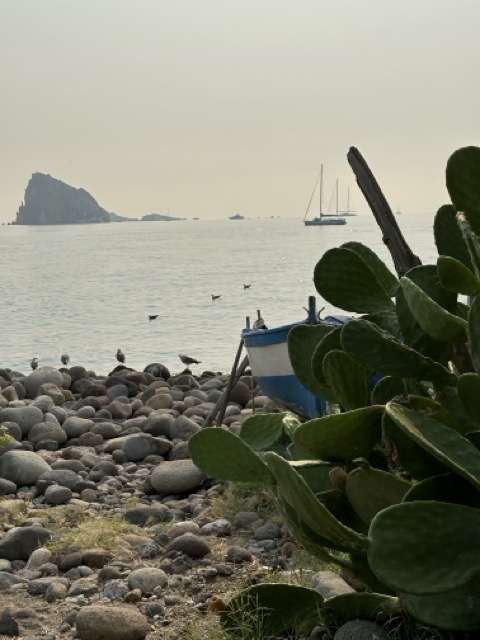
Salina shines during this season. Its balance of nature, small villages and open services makes it ideal as a base. Filicudi and Alicudi feel especially pure in spring, almost untouched. Lipari works well too, offering more connections and year-round life without summer crowds.
Visiting the Aeolian Islands in early summer (June)
If you ask people who know the Aeolian Islands well when they personally love to be here, many will say the same thing: June.
Early summer is when the islands feel fully awake, but not yet overwhelmed. The rhythm is confident and relaxed at the same time. Boats return to the harbours, terraces are full again, and the sea is perfect for swimming. At the same time, the intense heat of mid-summer hasn’t arrived yet.
Days are long and bright. You wake up early without effort, drawn outside by the light. Evenings stretch gently into night, perfect for slow dinners and walks along the water.
Locals are back in their summer routines, but not yet exhausted by crowds. Visitors are excited, curious, often on their first visit, and still attentive to the place they’ve arrived in.
Is June for you?
June is especially well-suited to first-time visitors. It offers a little of everything: swimming, hiking, island hopping, food, atmosphere, and flexibility.
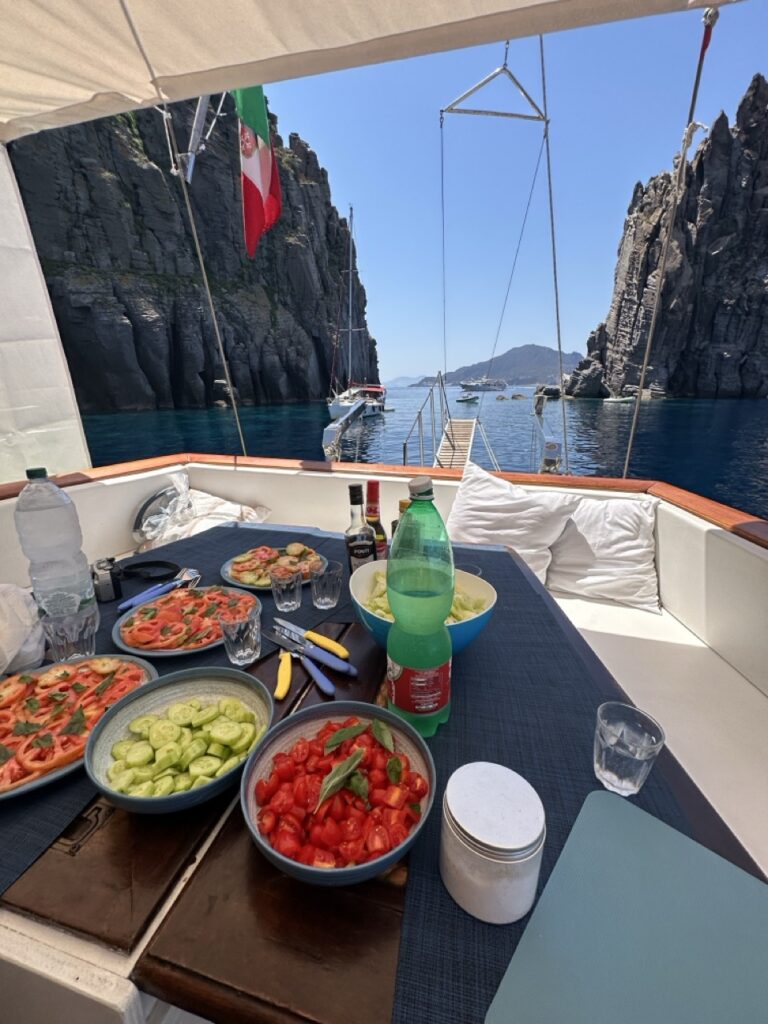
Couples often love this time of year. The islands feel romantic without trying too hard. There’s space to be alone, but enough life around you to feel connected. Boat days, sunset aperitivos, quiet beaches and unhurried meals all come together naturally.
It’s also a great month for active travelers. You can hike in the morning, swim in the afternoon, and still have the energy for a long dinner. The balance between movement and rest feels effortless.
Compared to spring, June feels more social. You’ll notice more boats on the water, more voices in the piazzas, more energy in the evenings. Events and small local festivals begin to return, especially towards the end of the month.
At the same time, June still offers breathing room. You don’t yet need to plan every detail in advance. Spontaneity is still possible, and we love it.
Best islands to visit in June
June works beautifully across all the islands. Even Panarea, often associated with high summer, is more relaxed and approachable in June. If there’s a month when the Aeolian Islands show their most complete version, this is it.

Visiting the Aeolian Islands in high summer (July–August)
High summer in the Aeolian Islands is intense, beautiful and not for everyone. July and August are when the islands are at their most alive. For some travelers, this is exactly what they’re looking for. For others, it can feel overwhelming.
Personally I think there is something undeniably special about the Aeolian Islands in peak summer. Swimming is effortless. You can slip into the sea at almost any time of day or night. Boat trips feel endless, beaches and islands under a strong, generous sun. Evenings are social, with busy terraces, shared tables and loud conversations.
August in particular has a celebratory feel. Italians are on holiday, families return to the islands, and the sense of belonging and tradition is strong. Festivals, fireworks and long communal dinners give the islands the full colour range.
However…Crowds are real, especially in August. Ferries sell out, beaches fill quickly, and popular islands like Lipari and Panarea can feel busy from morning to night. Prices are higher, and spontaneity becomes harder.
Heat can also be intense. While sea breezes help, midday hours are often only spent swimming or staying in the shade. The islands demand a slower pace in summer, whether you plan for it or not.
Is peak summer for you?
High summer suits travelers who thrive on energy and social life. Groups of friends, younger travelers and those who enjoy lively evenings often love this time of year. Panarea in particular comes alive in July and August, with a crowd that comes as much for the atmosphere as for the landscape.
Visiting the Aeolian Islands in early autumn (September–October)
September and (early) October carry all the benefits of summer without most of its pressures. For many people, this is another most beloved time to be here. The sea is still warm, the days are gentle, and the intensity of summer softens into something more relaxed.
Beaches feel spacious again. Boats are no longer competing for space. You can walk into a restaurant without booking days in advance. The light changes too. It becomes softer, warmer, especially in the late afternoon. Evenings are perfect for long dinners outdoors, without the heaviness of August heat.
Is early autumn for you?
Autumn is quieter, days are shorter and weather becomes more changeable. Ferry schedules begin to thin out, and some seasonal businesses close as the month progresses. What you gain in return is space and intimacy. It’s a beautiful time for walking, writing, reading, eating well and simply being present.
Visiting the Aeolian Islands in winter (November–February)
Winter in the Aeolian Islands is not for everyone. This is when the islands return almost entirely to their residents. Visitors are few, services are limited, and nature takes centre stage. If you arrive in winter expecting summer comforts, you’ll be disappointed. Villages are quiet and many restaurants close. But there’s a raw beauty to the islands in winter.
Winter days can be bright and clear or grey and stormy, sometimes both within the same week. The sea dominates everything. Some days, travel simply isn’t possible. So, flexibility is essential.
Is winter for you?
Winter suits a very specific type of traveler. For example, writers, artists and long-stay visitors often love this time. People who are comfortable with solitude and quietness. Those who don’t need constant activity to feel fulfilled.
It’s also a season for return visitors, people who already know the islands and want to experience them without the layer of tourism. We’ve just been to Salina in January, and it was one of our highlights.
The right time for your travel style
If you love hiking, spring and autumn are ideal.
If swimming and boat days are your priority, June through September offers the best conditions.
If you want energy, social life and nightlife, July and August deliver that.
If you’re looking for calm, space and a deeper connection to the islands, Winter will surprise you.
So, let’s go back to the initial question. When is the best time to visit? Truth is, there is no single answer. The right time is the moment that better matches how you want to feel.
Choose that, and the Aeolian Islands will meet you there.
Frequently asked questions
Is August too crowded to visit the Aeolian Islands?
It can be busy, especially on Lipari and Panarea. Choosing quieter islands or traveling early in the day helps.
Can you swim in May or October?
Yes. May is refreshing, October often still surprisingly warm, especially early in the month.
Are ferries reliable year-round?
They operate year-round but are less frequent and weather-dependent outside summer.
Is winter worth visiting?
For the right traveler, absolutely. For restless, activity-focused trips, usually not.