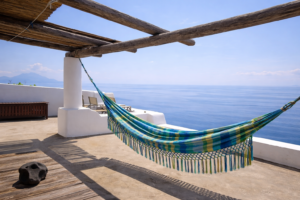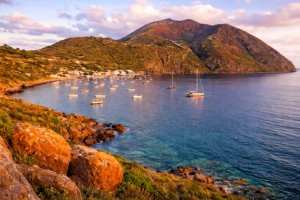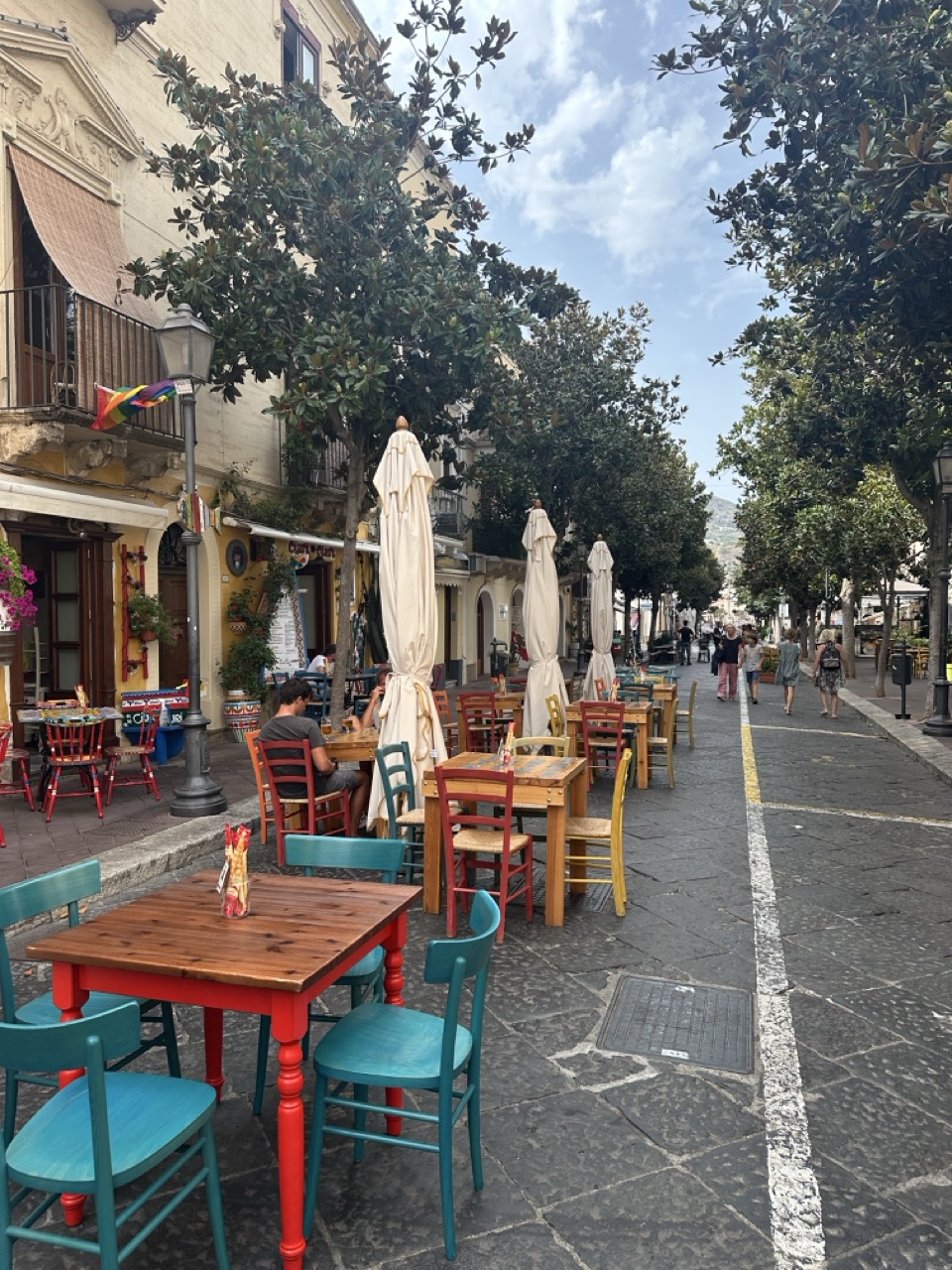
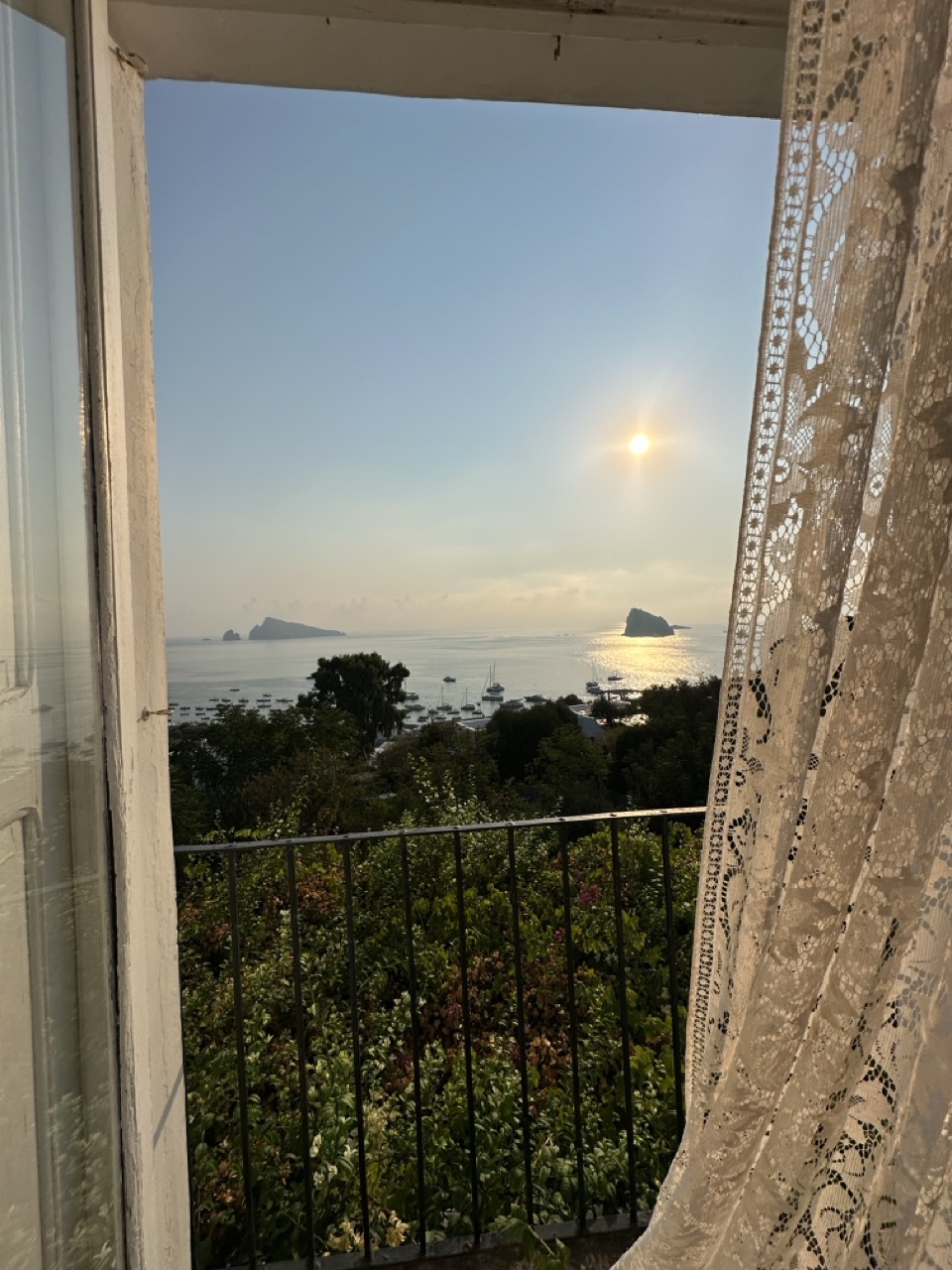
The Aeolian Islands are not a single destination. They are a small world of very different islands, each with its own rhythm, landscape, and way of life. Planning a trip here is less about choosing the “best” island and more about understanding which combination fits the way you like to travel.
This guide is designed to help you do exactly that. However, having favourites is inevitable…for that, I leave the choice to you.
In this article
Understanding the Aeolian Islands
The Aeolian archipelago lies just north of Sicily and consists of seven main islands, each shaped by volcanic activity and centuries of island life. While they are close together geographically, the experience of each island can be very different.
Some islands are lively and social, others quiet and “demanding”. Some are easy to navigate, others ask more of your time and energy. Knowing these differences early makes planning much easier.
The Aeolian Islands at a glance
Lipari
The largest and most connected island, Lipari is often the gateway to the Aeolian Islands. It offers the widest range of accommodation, restaurants, and ferry connections.
→ Read the full Lipari guide
Salina
Green, fertile, and bright, Salina is known for its vineyards, hiking trails, and delicious food scene. It’s a favorite for travelers who want balance and comfort without crowds.
→ Read the full Salina guide
Vulcano
Defined by its volcanic landscape, Vulcano is quite dramatic, famous for its crater hike and thermal muds. It’s close to Lipari and easy to visit, even for shorter stays.
→ Read the full Vulcano guide
Panarea
Small, stylish, and social, Panarea attracts travelers looking for atmosphere, nightlife, and beautiful swimming spots. It’s the most glamorous island, especially in summer.
→ Read the full Panarea guide
Stromboli
Raw and unforgettable, Stromboli is dominated by its active volcano. Life here revolves around the mountain, the sea, and the eruptions after dark.
→ Read the full Stromboli guide
Filicudi
Quiet, and deeply connected to the sea, Filicudi offers space to explore by boat and on foot. It’s remote without being isolating, and rewards slow travel.
→ Read the full Filicudi guide
Alicudi
The most remote and demanding island, Alicudi has no roads and very little distraction. It’s a place for walking, solitude, and complete detachment from modern pace.
→ Read the full Alicudi guide
How to choose the right Islands for your trip
Rather than trying to see everything, most travelers enjoy the Aeolian Islands more by combining two or three islands that complement each other.
- First-time visitors: Lipari or Salina + one quieter island
- Nature-focused trips: Salina + Stromboli or Filicudi
- Slow travel & disconnecting: Filicudi + Alicudi
- Short trips: Lipari + Vulcano
- Social & scenic: Panarea + Stromboli
Each pairing creates a different experience, and there is no single “right” route.
How to get to the Aeolian Islands
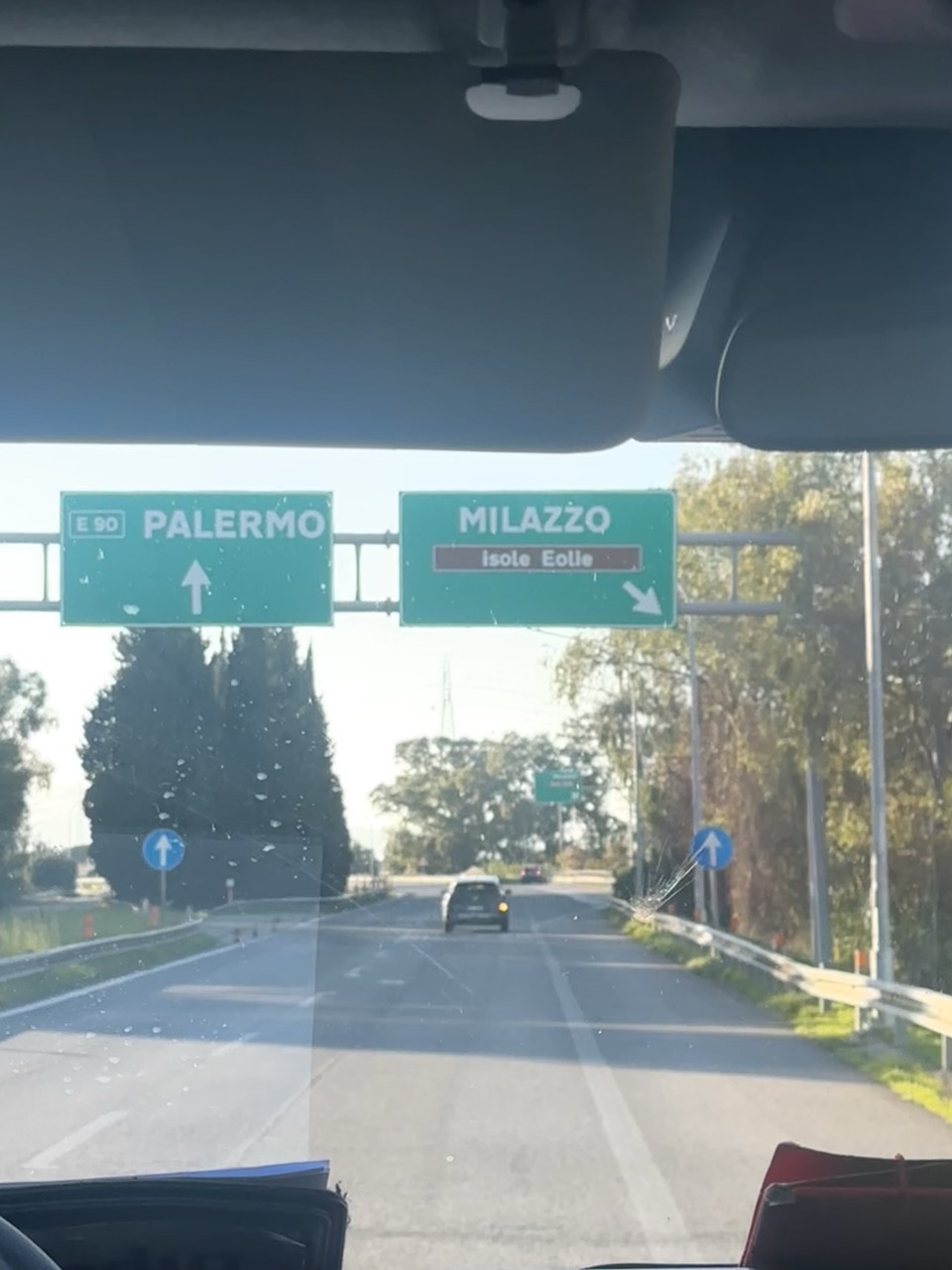
Most journeys begin in Milazzo, Sicily, which offers the most frequent ferry and hydrofoil connections. Palermo also has seasonal routes.
Ferries travel east to west across the islands, usually stopping at Lipari first before continuing onward. The more remote islands, especially Filicudi and Alicudi, have fewer daily connections and are more affected by sea conditions.
Planning tip:
Avoid tight travel days. Weather and sea state can affect schedules, and flexibility makes a big difference.
Getting around between Islands
Inter-island travel is done entirely by ferry or hydrofoil. Day trips are possible between nearby islands, but staying overnight allows you to experience each place properly.
Boat travel is part of life here, not just transportation. Watching islands appear and disappear from the deck is often one of the most memorable parts of the trip.
When to visit the Aeolian Islands
- May–June: Warm, green, calm, ideal for walking and swimming
- July–August: Hot, lively, busier (especially Panarea and Lipari)
- September–October: Warm sea, fewer visitors, great balance
- Winter: Quiet, limited services, authentic but challenging
For most travelers, late spring and early autumn offer the best experience.
What to expect (and what not to)
The Aeolian Islands reward travelers who adapt rather than expect. You will not find fast service or perfect schedules, but rather a strong connection to nature, delicious seasonal food and a slower pace. This is part of the appeal.
Start exploring 🛵
Each island has its own guide on myaeolianislands, written to help you understand not just what to see, but how each place feels.
If you’re not sure where to begin, start with the islands that match your travel style best, then build outward.
The Aeolian Islands are not meant to be rushed. Remember ‘il dolce far niente’?